Buy farmaciadelcarmine.pisa.it ?
We are moving the project
farmaciadelcarmine.pisa.it .
Are you interested in purchasing the domain
farmaciadelcarmine.pisa.it ?
domain@kv-gmbh.de · 0541-91531010
Buy farmaciadelcarmine.pisa.it ?
What are irises?
Irises are flowering plants that belong to the Iridaceae family. They are known for their showy, colorful flowers that come in a wide range of hues, including purple, blue, white, and yellow. Irises are popular garden plants due to their beauty and variety, and they are often used in landscaping and floral arrangements. **
Which irises are these?
These irises appear to be bearded irises, which are characterized by the fuzzy "beard" on the lower petal of the flower. Bearded irises are a popular garden plant and come in a wide range of colors, including purple, white, yellow, and blue. They are known for their striking appearance and are often used in landscaping and flower arrangements. **

Similar search terms for Irises
Top-Angebote
Products related to Irises:
-
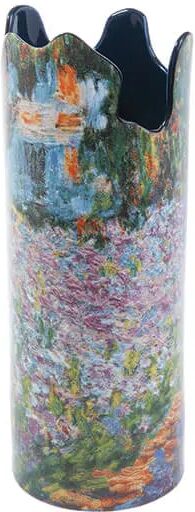
John Beswick Monet Irises in Garden VaseThe Monet Irises in Garden Vase brings a touch of artistic elegance to your living space, perfect for displaying fresh or dried flowers. Inspired by Monet’s iconic artwork, this vase makes a striking centrepiece for your home. Its graceful design enhances any room, adding colour and character whether used alone or filled with floral arrangements.55,00 £*Shipping: 0,00 £Secure redirect to the provider
-
Cornerstone Press Make Me Well: The Truth About the Wellness Industry, Supplements, and Personalised Health by Xand van TullekenIn a world of endless wellness advice, learn how to make smarter decisions about your health with the empowering new book from doctor and broadcaster Xand Van Tulleken. Drawing on original reporting, expert insight and real-world case studies, he explores: The truth about supplements and vitamins ― what works and what doesn’t The rise of at-home blood testing and personalised health plans How wearable technology (fitness trackers, sleep trackers, smartwatches) shapes our behaviour The promises and pitfalls of consumer genomics and DNA testing Why the line between healthcare and the wellness industry has become blurred There has never been a more confusing time to try to be healthy. From supplements and blood testing to wearable technology and consumer genomics, the modern wellness industry promises better energy, performance and longevity. But how much of it is science, and how much is marketing? In his groundbreaking book, Make Me Well, Xand van Tulleken investigates the new Wild West of the wellness industry, offering a clear, evidence-based guide to navigating today’s most popular health trends. With practical advice and accessible science, Make Me Well will help you cut through misinformation, avoid unnecessary costs, and make informed decisions about your physical and mental wellbeing. If you’ve ever wondered which health trends are worth your time and money, this is your essential guide to modern wellness.12,99 £*Shipping: 2,99 £Secure redirect to the provider


-
Lower classifications of irises
Lower classifications of irises include the following categories: 1. Subgenus: This is a taxonomic rank below the genus level and is used to group species within a genus based on shared characteristics. 2. Section: This is a taxonomic rank below the subgenus level and is used to further classify species within a subgenus based on specific characteristics. 3. Series: This is a taxonomic rank below the section level and is used to group species within a section based on even more specific characteristics. 4. Subsection: This is a taxonomic rank below the series level and is used to further classify species within a series based on additional characteristics. Overall, these lower classifications help botanists and horticulturists organize and categorize the diverse range of iris species based on their unique traits and characteristics. **
-
'Lower classifications of irises'
Lower classifications of irises refer to the different species, varieties, and cultivars within the Iris genus. These lower classifications help to categorize irises based on specific characteristics such as color, size, and growth habits. Some common lower classifications of irises include bearded irises, Siberian irises, and Japanese irises. Each of these classifications has its own unique features and requirements for care and cultivation. **
-
When are irises planted?
Irises are typically planted in late summer or early fall, around August to October, depending on the specific variety and location. This timing allows the irises to establish their roots before the winter months and ensures they will bloom in the spring or early summer. **
-
When can you transplant irises?
Irises can be transplanted in late summer to early fall, after they have finished blooming. This allows the plants to establish themselves in their new location before the winter months. **


Are irises good for bees, and if so, which species?
Irises are good for bees as they provide a good source of nectar and pollen. Bearded irises, in particular, are known to attract bees with their vibrant colors and sweet fragrance. Other species of irises, such as Dutch irises and Siberian irises, also attract bees and other pollinators to the garden. Overall, planting a variety of iris species can help support bee populations by providing them with a rich source of food. **
Why does a Thuja hedge die after over 30 years due to irises?
A Thuja hedge may die after over 30 years due to irises because the irises can compete with the Thuja for nutrients, water, and sunlight. As the irises grow and spread, they can create a dense root system that deprives the Thuja hedge of essential resources, leading to its decline and eventual death. Additionally, the shade created by the irises can also impact the Thuja's ability to photosynthesize and thrive. Regular maintenance and management of the irises, such as thinning them out and controlling their spread, can help prevent this competition and prolong the life of the Thuja hedge. **
Top-Angebote
Products related to Irises:
-
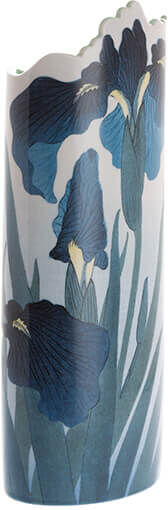
John Beswick Koson Irises VaseThe Koson Irises Vase brings a refined touch to any room, offering a stylish way to display your favourite flowers or enhance your décor. Perfect for adding character to your living space, this elegant vase complements both modern and classic interiors. Its versatile design makes it a lovely centrepiece for everyday use or special occasions.55,00 £*Shipping: 0,00 £Secure redirect to the provider
-
John Beswick Van Gogh Irises VaseThe Van Gogh Irises Vase brings a touch of artistic elegance to your home, inspired by the iconic Irises painting for a distinctive display piece. Showcasing a design influenced by Van Gogh’s celebrated artwork, this vase adds character and colour to any room. It’s perfect for displaying fresh flowers or as a striking decorative accent, helping you create a welcoming atmosphere with ease.55,00 £*Shipping: 0,00 £Secure redirect to the provider
-
John Beswick Monet Irises in Garden VaseThe Monet Irises in Garden Vase brings a touch of artistic elegance to your living space, perfect for displaying fresh or dried flowers. Inspired by Monet’s iconic artwork, this vase makes a striking centrepiece for your home. Its graceful design enhances any room, adding colour and character whether used alone or filled with floral arrangements.55,00 £*Shipping: 0,00 £Secure redirect to the provider
-
What are irises?
Irises are flowering plants that belong to the Iridaceae family. They are known for their showy, colorful flowers that come in a wide range of hues, including purple, blue, white, and yellow. Irises are popular garden plants due to their beauty and variety, and they are often used in landscaping and floral arrangements. **
-
Which irises are these?
These irises appear to be bearded irises, which are characterized by the fuzzy "beard" on the lower petal of the flower. Bearded irises are a popular garden plant and come in a wide range of colors, including purple, white, yellow, and blue. They are known for their striking appearance and are often used in landscaping and flower arrangements. **
-
Lower classifications of irises
Lower classifications of irises include the following categories: 1. Subgenus: This is a taxonomic rank below the genus level and is used to group species within a genus based on shared characteristics. 2. Section: This is a taxonomic rank below the subgenus level and is used to further classify species within a subgenus based on specific characteristics. 3. Series: This is a taxonomic rank below the section level and is used to group species within a section based on even more specific characteristics. 4. Subsection: This is a taxonomic rank below the series level and is used to further classify species within a series based on additional characteristics. Overall, these lower classifications help botanists and horticulturists organize and categorize the diverse range of iris species based on their unique traits and characteristics. **
-
'Lower classifications of irises'
Lower classifications of irises refer to the different species, varieties, and cultivars within the Iris genus. These lower classifications help to categorize irises based on specific characteristics such as color, size, and growth habits. Some common lower classifications of irises include bearded irises, Siberian irises, and Japanese irises. Each of these classifications has its own unique features and requirements for care and cultivation. **
Similar search terms for Irises
-
Cornerstone Press Make Me Well: The Truth About the Wellness Industry, Supplements, and Personalised Health by Xand van TullekenIn a world of endless wellness advice, learn how to make smarter decisions about your health with the empowering new book from doctor and broadcaster Xand Van Tulleken. Drawing on original reporting, expert insight and real-world case studies, he explores: The truth about supplements and vitamins ― what works and what doesn’t The rise of at-home blood testing and personalised health plans How wearable technology (fitness trackers, sleep trackers, smartwatches) shapes our behaviour The promises and pitfalls of consumer genomics and DNA testing Why the line between healthcare and the wellness industry has become blurred There has never been a more confusing time to try to be healthy. From supplements and blood testing to wearable technology and consumer genomics, the modern wellness industry promises better energy, performance and longevity. But how much of it is science, and how much is marketing? In his groundbreaking book, Make Me Well, Xand van Tulleken investigates the new Wild West of the wellness industry, offering a clear, evidence-based guide to navigating today’s most popular health trends. With practical advice and accessible science, Make Me Well will help you cut through misinformation, avoid unnecessary costs, and make informed decisions about your physical and mental wellbeing. If you’ve ever wondered which health trends are worth your time and money, this is your essential guide to modern wellness.12,99 £*Shipping: 2,99 £Secure redirect to the provider
-
Beauty Works Winter Wellness (Worth £41.98)Restore and revive your hair with the Beauty Works Winter Wellness Gift Set. Featuring Beauty Works Restore Mask, Argan Serum, Towel Turban, and Scalp Massager for ultimate hydration, shine, and relaxation. Perfect for winter hair care! This set includes: Restore Mask 250ml: Revive dry, dehydrated hair in just 10 minutes. This Beauty Works Restore Mask in 250ml is a must have addition to your haircare routine - if you're looking for a fast acting treatment that rejuvenates and hydrates your locks then you've found it! Argan Serum 90ml: A hair oil that will have you coming back for more... Healthy looking and feeling hair in seconds, the Beauty Works Argan Oil Serum 90ml has been specially formulated to rejuvenate your locks whenever you need. Towel Turban Scalp Massager Ingredients Aqua [Water], Cetearyl alcohol, Propylene glycol, Behentrimonium chloride, Cetyl esters, Glyceryl stearate, Paraffin, Amodimethicone, Phenyl trimethicone, Sesamum indicum (Sesame) seed oil, Copernicia cerifera cera [Copernicia cerifera (Carnauba) wax], Glycerin, Parfum [Fragrance], Phenoxyethanol, Euphorbia cerifera cera [Euphorbia cerifera (Candelilla) wax], PEG-40/PPG-8 methylaminopropyl/Hydroxypropyl dimethicone copolymer, Lactic acid, PEG-8, Trideceth-10, Dipropylene glycol, Cetrimonium chloride, Hexyl cinnamal, Hydrolyzed Verbascum Thapsus Flower, Hydrolyzed chestnut extract, Hydrolyzed walnut extract, Linalool, PEG-8/SMDI copolymer, Palmitoyl myristyl serinate, Sodium polyacrylate, Citric acid, Methylchloroisothiazolinone, Methylisothiazolinone, Sodium benzoate, Potassium sorbate Cyclopentasiloxane, Dimethiconol, C13-14 isoparaffin, Alcohol denat., Parfum [Fragrance], Argania spinosa kernel oil, Methyl hydrogenated rosinate, Hexyl cinnamal, Citronellol, CI 47000 [Yellow 11], CI 26100 [Red 17]24,50 £*Shipping: 0,00 £Secure redirect to the provider
-
Sigma Beauty Skincare Brush SetSigma Beauty's Skincare Brush Set is a beautiful, sleek collection of six brushes for applying skincare products. Contents S01 Clay/Mud Mask™ Brush S02 Spatula™ Brush S05 Moisturiser™ Brush S10 Serum™ Brush S15 Gel Mask™ Brush 20 Eye Cream™ Brush Take you skincare routine to the next level with these luxurious skincare brushes. These super-soft brushes allow you to apply your skincare products with ease and help avoid product waste. Cruelty-free.59,00 £*Shipping: 0,00 £Secure redirect to the provider
-
When are irises planted?
Irises are typically planted in late summer or early fall, around August to October, depending on the specific variety and location. This timing allows the irises to establish their roots before the winter months and ensures they will bloom in the spring or early summer. **
-
When can you transplant irises?
Irises can be transplanted in late summer to early fall, after they have finished blooming. This allows the plants to establish themselves in their new location before the winter months. **
-
Are irises good for bees, and if so, which species?
Irises are good for bees as they provide a good source of nectar and pollen. Bearded irises, in particular, are known to attract bees with their vibrant colors and sweet fragrance. Other species of irises, such as Dutch irises and Siberian irises, also attract bees and other pollinators to the garden. Overall, planting a variety of iris species can help support bee populations by providing them with a rich source of food. **
-
Why does a Thuja hedge die after over 30 years due to irises?
A Thuja hedge may die after over 30 years due to irises because the irises can compete with the Thuja for nutrients, water, and sunlight. As the irises grow and spread, they can create a dense root system that deprives the Thuja hedge of essential resources, leading to its decline and eventual death. Additionally, the shade created by the irises can also impact the Thuja's ability to photosynthesize and thrive. Regular maintenance and management of the irises, such as thinning them out and controlling their spread, can help prevent this competition and prolong the life of the Thuja hedge. **
* All prices are inclusive of VAT and, if applicable, plus shipping costs. The offer information is based on the details provided by the respective shop and is updated through automated processes. Real-time updates do not occur, so deviations can occur in individual cases. ** Note: Parts of this content were created by AI.