Buy farmaciadelcarmine.pisa.it ?
We are moving the project
farmaciadelcarmine.pisa.it .
Are you interested in purchasing the domain
farmaciadelcarmine.pisa.it ?
domain@kv-gmbh.de · 0541-91531010
Buy farmaciadelcarmine.pisa.it ?
What is the difference between potting soil, peat soil, vegetable soil, and grave soil?
Potting soil is a general-purpose soil mix that is suitable for growing a wide variety of plants in containers. It is typically a blend of organic materials such as peat moss, compost, and perlite or vermiculite for drainage. Peat soil, on the other hand, is made primarily of decomposed sphagnum moss and is often used to improve soil structure and water retention in garden beds. Vegetable soil is specifically formulated for growing vegetables and typically contains a balanced mix of nutrients and organic matter to support healthy vegetable growth. Grave soil, also known as topsoil, is a general-purpose soil used for filling in garden beds, leveling the ground, or creating new planting areas. It is typically a mix of sand, silt, and clay with added organic matter. **
Can coconut soil be mixed with regular potting soil?
Yes, coconut soil can be mixed with regular potting soil to create a well-draining and nutrient-rich growing medium for plants. Coconut soil, also known as coir or coco coir, is a sustainable and eco-friendly alternative to peat moss. When mixed with regular potting soil, coconut soil helps improve soil aeration, water retention, and nutrient absorption, making it a great option for gardening and container planting. **

Similar search terms for Soil
Top-Angebote
Products related to Soil:
-
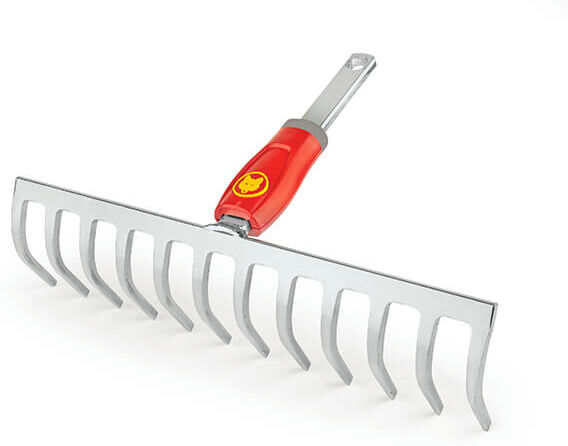
Wolf Garten Multi-Change 30cm Soil RakeThe Wolf Garten Multi-Change Soil Rake 30cm is the perfect all rounder for everyday gardening tasks. The high quality steel head has 12 curved teeth allowing easy soil penetration and ideal for clearing garden debris and loosening soil in preparation for planting. Designed to be used with your choice of handle (sold separately) with a simple push of the button and a gentle click. Made in Germany and complete with a 35 year manufacturers guarantee. Dimensions: 22(H) x 30(W) x 12(L)cm.23,39 £*Shipping: 3,50 £Secure redirect to the provider
-
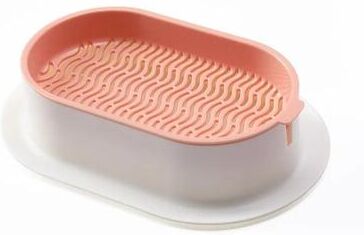
Uplift Essentials Soil Free Hydroponic Cat Grass Planter rosePromote your pets digestive wellness with a clean, messfree way to grow organic greens at home. This hydroponic cat grass box is a professionalgrade cultivation system designed to provide your feline with a fresh supply of nutrientrich fiber....59,97 $*Shipping: 0,00 $Secure redirect to the provider
-
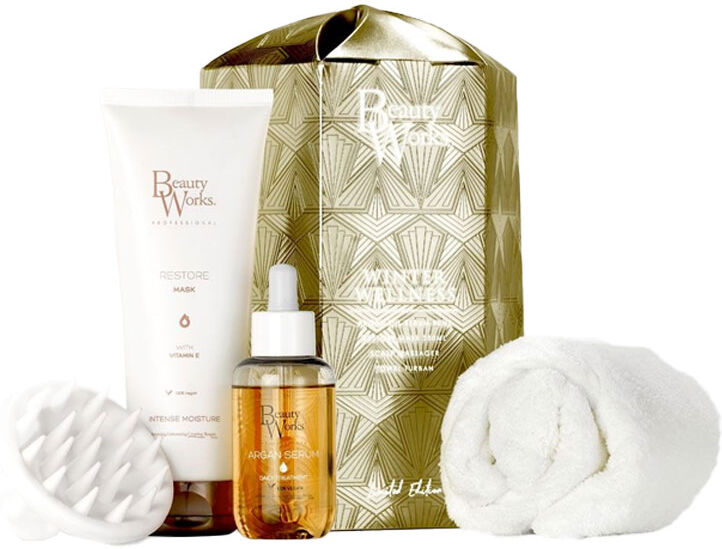
Beauty Works Winter Wellness (Worth £41.98)Restore and revive your hair with the Beauty Works Winter Wellness Gift Set. Featuring Beauty Works Restore Mask, Argan Serum, Towel Turban, and Scalp Massager for ultimate hydration, shine, and relaxation. Perfect for winter hair care! This set includes: Restore Mask 250ml: Revive dry, dehydrated hair in just 10 minutes. This Beauty Works Restore Mask in 250ml is a must have addition to your haircare routine - if you're looking for a fast acting treatment that rejuvenates and hydrates your locks then you've found it! Argan Serum 90ml: A hair oil that will have you coming back for more... Healthy looking and feeling hair in seconds, the Beauty Works Argan Oil Serum 90ml has been specially formulated to rejuvenate your locks whenever you need. Towel Turban Scalp Massager Ingredients Aqua [Water], Cetearyl alcohol, Propylene glycol, Behentrimonium chloride, Cetyl esters, Glyceryl stearate, Paraffin, Amodimethicone, Phenyl trimethicone, Sesamum indicum (Sesame) seed oil, Copernicia cerifera cera [Copernicia cerifera (Carnauba) wax], Glycerin, Parfum [Fragrance], Phenoxyethanol, Euphorbia cerifera cera [Euphorbia cerifera (Candelilla) wax], PEG-40/PPG-8 methylaminopropyl/Hydroxypropyl dimethicone copolymer, Lactic acid, PEG-8, Trideceth-10, Dipropylene glycol, Cetrimonium chloride, Hexyl cinnamal, Hydrolyzed Verbascum Thapsus Flower, Hydrolyzed chestnut extract, Hydrolyzed walnut extract, Linalool, PEG-8/SMDI copolymer, Palmitoyl myristyl serinate, Sodium polyacrylate, Citric acid, Methylchloroisothiazolinone, Methylisothiazolinone, Sodium benzoate, Potassium sorbate Cyclopentasiloxane, Dimethiconol, C13-14 isoparaffin, Alcohol denat., Parfum [Fragrance], Argania spinosa kernel oil, Methyl hydrogenated rosinate, Hexyl cinnamal, Citronellol, CI 47000 [Yellow 11], CI 26100 [Red 17]24,50 £*Shipping: 0,00 £Secure redirect to the provider
-
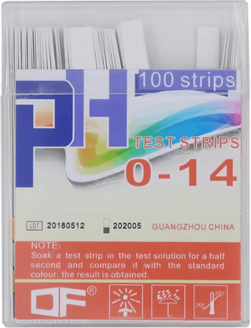
Inspire Curations Universal PH Test Strips 1 14 For Water Soil And Aquarium Testing Universal PH Test Strips 1 14 For Water Soil And Aquarium TestingCheck acidity and alkalinity in seconds with a simple testing solution you can use almost anywhere. These pH test strips cover the full 114 pH range, helping you quickly identify acidic, neutral, and alkaline conditions. The litmus test paper...53,00 $*Shipping: 0,00 $Secure redirect to the provider
-
Why are soil samples taken for possible soil contaminants?
Soil samples are taken for possible soil contaminants to assess the level of pollution and potential risks to human health and the environment. Contaminants such as heavy metals, pesticides, and industrial chemicals can accumulate in soil and pose a threat to ecosystems and human health. By analyzing soil samples, scientists and environmental professionals can identify the presence and concentration of contaminants, determine the extent of contamination, and develop appropriate remediation and management strategies to protect the environment and public health. **
-
What is the difference between compost soil and regular soil?
Compost soil is a mixture of organic matter that has decomposed, such as food scraps, yard waste, and other organic materials. It is rich in nutrients and beneficial microorganisms, making it a great soil amendment for improving soil structure and fertility. Regular soil, on the other hand, is the natural soil found in the ground, which may not be as nutrient-rich or have as many beneficial microorganisms as compost soil. Compost soil is often used to enhance regular soil for gardening and landscaping purposes. **
-
What is the difference between potting soil and herb soil?
Potting soil is a general-purpose soil mix that is suitable for a wide variety of plants, including herbs. It is typically a blend of organic materials such as peat moss, compost, and perlite, designed to provide good drainage and aeration for plant roots. Herb soil, on the other hand, is specifically formulated for growing herbs and may contain additional ingredients such as sand or vermiculite to improve drainage and provide the specific nutrients that herbs need to thrive. Herb soil is tailored to the specific needs of herbs, while potting soil is more of a general-purpose option for a wide range of plants. **
-
What is the difference between soil erosion and soil degradation?
Soil erosion refers to the physical removal of topsoil by wind, water, or other natural forces, leading to the loss of fertile soil. On the other hand, soil degradation is a broader term that encompasses various processes that deteriorate the quality of soil, such as chemical contamination, compaction, salinization, and nutrient depletion. While soil erosion is a specific type of soil degradation, soil degradation can occur through other means beyond just erosion. **

What is soil salinization and how can soil be irrigated?
Soil salinization is the accumulation of salts in the soil, which can negatively impact plant growth and crop productivity. To irrigate soil and help manage salinity levels, farmers can use techniques such as drip irrigation, which delivers water directly to the plant roots in a controlled manner, reducing the risk of salt buildup. Additionally, farmers can implement practices like leaching, where excess water is applied to the soil to flush out accumulated salts, helping to restore the soil's natural balance. **
What is soil salinization and how can the soil be irrigated?
Soil salinization is the accumulation of salts in the soil, which can negatively impact plant growth and crop productivity. This occurs when the natural process of salt accumulation in the soil exceeds the rate of salt removal. To irrigate the soil and reduce salinization, several methods can be used. One common method is leaching, where excess salts are flushed out of the soil by applying large amounts of water. Another method is to use salt-tolerant crops that can withstand the high salt levels in the soil. Additionally, improving drainage and using more efficient irrigation techniques can help prevent further soil salinization. **
Top-Angebote
Products related to Soil:
-
Cornerstone Press Make Me Well: The Truth About the Wellness Industry, Supplements, and Personalised Health by Xand van TullekenIn a world of endless wellness advice, learn how to make smarter decisions about your health with the empowering new book from doctor and broadcaster Xand Van Tulleken. Drawing on original reporting, expert insight and real-world case studies, he explores: The truth about supplements and vitamins ― what works and what doesn’t The rise of at-home blood testing and personalised health plans How wearable technology (fitness trackers, sleep trackers, smartwatches) shapes our behaviour The promises and pitfalls of consumer genomics and DNA testing Why the line between healthcare and the wellness industry has become blurred There has never been a more confusing time to try to be healthy. From supplements and blood testing to wearable technology and consumer genomics, the modern wellness industry promises better energy, performance and longevity. But how much of it is science, and how much is marketing? In his groundbreaking book, Make Me Well, Xand van Tulleken investigates the new Wild West of the wellness industry, offering a clear, evidence-based guide to navigating today’s most popular health trends. With practical advice and accessible science, Make Me Well will help you cut through misinformation, avoid unnecessary costs, and make informed decisions about your physical and mental wellbeing. If you’ve ever wondered which health trends are worth your time and money, this is your essential guide to modern wellness.12,99 £*Shipping: 2,99 £Secure redirect to the provider
-
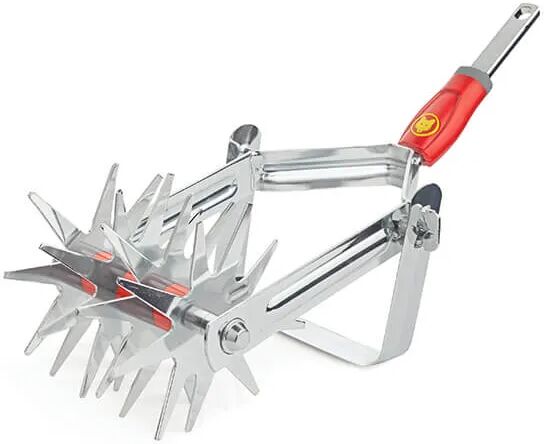
Wolf Garten Multi-Change Soil MillerThe Wolf Garten Multi-Change Soil Miller is suitable for breaking up soil into fine tilth, removing weeds and preparing your earth before planting and sowing seeds. This essential tool also helps to mix peat, manure or fertiliser into the soil with little effort. The rear blade provides stability whilst you work, making it ideal for larger areas. Designed to be used with your choice of handle (sold separately) with a simple push of the button and a gentle click. Made in Germany and complete with a 35 year manufacturers guarantee. Dimensions: 25(H) x 15(W) x 12(L)cm.52,19 £*Shipping: 0,00 £Secure redirect to the provider
-
Wolf Garten Multi-Change 30cm Soil RakeThe Wolf Garten Multi-Change Soil Rake 30cm is the perfect all rounder for everyday gardening tasks. The high quality steel head has 12 curved teeth allowing easy soil penetration and ideal for clearing garden debris and loosening soil in preparation for planting. Designed to be used with your choice of handle (sold separately) with a simple push of the button and a gentle click. Made in Germany and complete with a 35 year manufacturers guarantee. Dimensions: 22(H) x 30(W) x 12(L)cm.23,39 £*Shipping: 3,50 £Secure redirect to the provider
-
Uplift Essentials Soil Free Hydroponic Cat Grass Planter rosePromote your pets digestive wellness with a clean, messfree way to grow organic greens at home. This hydroponic cat grass box is a professionalgrade cultivation system designed to provide your feline with a fresh supply of nutrientrich fiber....59,97 $*Shipping: 0,00 $Secure redirect to the provider
-
What is the difference between potting soil, peat soil, vegetable soil, and grave soil?
Potting soil is a general-purpose soil mix that is suitable for growing a wide variety of plants in containers. It is typically a blend of organic materials such as peat moss, compost, and perlite or vermiculite for drainage. Peat soil, on the other hand, is made primarily of decomposed sphagnum moss and is often used to improve soil structure and water retention in garden beds. Vegetable soil is specifically formulated for growing vegetables and typically contains a balanced mix of nutrients and organic matter to support healthy vegetable growth. Grave soil, also known as topsoil, is a general-purpose soil used for filling in garden beds, leveling the ground, or creating new planting areas. It is typically a mix of sand, silt, and clay with added organic matter. **
-
Can coconut soil be mixed with regular potting soil?
Yes, coconut soil can be mixed with regular potting soil to create a well-draining and nutrient-rich growing medium for plants. Coconut soil, also known as coir or coco coir, is a sustainable and eco-friendly alternative to peat moss. When mixed with regular potting soil, coconut soil helps improve soil aeration, water retention, and nutrient absorption, making it a great option for gardening and container planting. **
-
Why are soil samples taken for possible soil contaminants?
Soil samples are taken for possible soil contaminants to assess the level of pollution and potential risks to human health and the environment. Contaminants such as heavy metals, pesticides, and industrial chemicals can accumulate in soil and pose a threat to ecosystems and human health. By analyzing soil samples, scientists and environmental professionals can identify the presence and concentration of contaminants, determine the extent of contamination, and develop appropriate remediation and management strategies to protect the environment and public health. **
-
What is the difference between compost soil and regular soil?
Compost soil is a mixture of organic matter that has decomposed, such as food scraps, yard waste, and other organic materials. It is rich in nutrients and beneficial microorganisms, making it a great soil amendment for improving soil structure and fertility. Regular soil, on the other hand, is the natural soil found in the ground, which may not be as nutrient-rich or have as many beneficial microorganisms as compost soil. Compost soil is often used to enhance regular soil for gardening and landscaping purposes. **
Similar search terms for Soil
-
Beauty Works Winter Wellness (Worth £41.98)Restore and revive your hair with the Beauty Works Winter Wellness Gift Set. Featuring Beauty Works Restore Mask, Argan Serum, Towel Turban, and Scalp Massager for ultimate hydration, shine, and relaxation. Perfect for winter hair care! This set includes: Restore Mask 250ml: Revive dry, dehydrated hair in just 10 minutes. This Beauty Works Restore Mask in 250ml is a must have addition to your haircare routine - if you're looking for a fast acting treatment that rejuvenates and hydrates your locks then you've found it! Argan Serum 90ml: A hair oil that will have you coming back for more... Healthy looking and feeling hair in seconds, the Beauty Works Argan Oil Serum 90ml has been specially formulated to rejuvenate your locks whenever you need. Towel Turban Scalp Massager Ingredients Aqua [Water], Cetearyl alcohol, Propylene glycol, Behentrimonium chloride, Cetyl esters, Glyceryl stearate, Paraffin, Amodimethicone, Phenyl trimethicone, Sesamum indicum (Sesame) seed oil, Copernicia cerifera cera [Copernicia cerifera (Carnauba) wax], Glycerin, Parfum [Fragrance], Phenoxyethanol, Euphorbia cerifera cera [Euphorbia cerifera (Candelilla) wax], PEG-40/PPG-8 methylaminopropyl/Hydroxypropyl dimethicone copolymer, Lactic acid, PEG-8, Trideceth-10, Dipropylene glycol, Cetrimonium chloride, Hexyl cinnamal, Hydrolyzed Verbascum Thapsus Flower, Hydrolyzed chestnut extract, Hydrolyzed walnut extract, Linalool, PEG-8/SMDI copolymer, Palmitoyl myristyl serinate, Sodium polyacrylate, Citric acid, Methylchloroisothiazolinone, Methylisothiazolinone, Sodium benzoate, Potassium sorbate Cyclopentasiloxane, Dimethiconol, C13-14 isoparaffin, Alcohol denat., Parfum [Fragrance], Argania spinosa kernel oil, Methyl hydrogenated rosinate, Hexyl cinnamal, Citronellol, CI 47000 [Yellow 11], CI 26100 [Red 17]24,50 £*Shipping: 0,00 £Secure redirect to the provider
-
Inspire Curations Universal PH Test Strips 1 14 For Water Soil And Aquarium Testing Universal PH Test Strips 1 14 For Water Soil And Aquarium TestingCheck acidity and alkalinity in seconds with a simple testing solution you can use almost anywhere. These pH test strips cover the full 114 pH range, helping you quickly identify acidic, neutral, and alkaline conditions. The litmus test paper...53,00 $*Shipping: 0,00 $Secure redirect to the provider
-
Uplift Essentials Soil Free Hydroponic Cat Grass Planter pinkPromote your pets digestive wellness with a clean, messfree way to grow organic greens at home. This hydroponic cat grass box is a professionalgrade cultivation system designed to provide your feline with a fresh supply of nutrientrich fiber....59,97 $*Shipping: 0,00 $Secure redirect to the provider
-
Uplift Essentials Soil Free Hydroponic Cat Grass Planter greenPromote your pets digestive wellness with a clean, messfree way to grow organic greens at home. This hydroponic cat grass box is a professionalgrade cultivation system designed to provide your feline with a fresh supply of nutrientrich fiber....59,97 $*Shipping: 0,00 $Secure redirect to the provider
-
What is the difference between potting soil and herb soil?
Potting soil is a general-purpose soil mix that is suitable for a wide variety of plants, including herbs. It is typically a blend of organic materials such as peat moss, compost, and perlite, designed to provide good drainage and aeration for plant roots. Herb soil, on the other hand, is specifically formulated for growing herbs and may contain additional ingredients such as sand or vermiculite to improve drainage and provide the specific nutrients that herbs need to thrive. Herb soil is tailored to the specific needs of herbs, while potting soil is more of a general-purpose option for a wide range of plants. **
-
What is the difference between soil erosion and soil degradation?
Soil erosion refers to the physical removal of topsoil by wind, water, or other natural forces, leading to the loss of fertile soil. On the other hand, soil degradation is a broader term that encompasses various processes that deteriorate the quality of soil, such as chemical contamination, compaction, salinization, and nutrient depletion. While soil erosion is a specific type of soil degradation, soil degradation can occur through other means beyond just erosion. **
-
What is soil salinization and how can soil be irrigated?
Soil salinization is the accumulation of salts in the soil, which can negatively impact plant growth and crop productivity. To irrigate soil and help manage salinity levels, farmers can use techniques such as drip irrigation, which delivers water directly to the plant roots in a controlled manner, reducing the risk of salt buildup. Additionally, farmers can implement practices like leaching, where excess water is applied to the soil to flush out accumulated salts, helping to restore the soil's natural balance. **
-
What is soil salinization and how can the soil be irrigated?
Soil salinization is the accumulation of salts in the soil, which can negatively impact plant growth and crop productivity. This occurs when the natural process of salt accumulation in the soil exceeds the rate of salt removal. To irrigate the soil and reduce salinization, several methods can be used. One common method is leaching, where excess salts are flushed out of the soil by applying large amounts of water. Another method is to use salt-tolerant crops that can withstand the high salt levels in the soil. Additionally, improving drainage and using more efficient irrigation techniques can help prevent further soil salinization. **
* All prices are inclusive of VAT and, if applicable, plus shipping costs. The offer information is based on the details provided by the respective shop and is updated through automated processes. Real-time updates do not occur, so deviations can occur in individual cases. ** Note: Parts of this content were created by AI.