Buy farmaciadelcarmine.pisa.it ?
We are moving the project
farmaciadelcarmine.pisa.it .
Are you interested in purchasing the domain
farmaciadelcarmine.pisa.it ?
domain@kv-gmbh.de · 0541-91531010
Buy farmaciadelcarmine.pisa.it ?
"Is my hydrangea dead?"
To determine if your hydrangea is dead, look for signs of life such as new growth or green stems. Check the stems for flexibility and the buds for any signs of swelling. If the stems are brittle and the buds are dry and shriveled, it may indicate that the hydrangea is dead. You can also gently scratch the bark to see if there is any green tissue underneath, which would indicate that the plant is still alive. If you are unsure, you can also consult with a local gardening expert for advice. **
Was the hydrangea mowed down?
Yes, the hydrangea was mowed down. **

Similar search terms for Hydrangea
Top-Angebote
Products related to Hydrangea:
-
Faux Hydrangea Wreath - Ballard DesignsHydrangeas are a traditional symbol of abundance, beloved for their pom poms of plush colorful petals. Our Faux Hydrangea Wreath captures that plentiful spirit in a profusion of hand crafted petals shaded in soft tones of spring green, blush, lilac...263,20 $*Shipping: 179,00 $Secure redirect to the provider




-
"Is the hydrangea still salvageable?"
Yes, the hydrangea is still salvageable. With proper care and attention, such as regular watering, pruning, and fertilizing, the hydrangea can recover and thrive. It may take some time and effort, but with the right care, the hydrangea can be saved. **
-
What is the hydrangea disease?
Hydrangea disease refers to a variety of fungal and bacterial infections that can affect hydrangea plants. These diseases can cause symptoms such as leaf spots, wilting, and discoloration of the flowers. Common hydrangea diseases include powdery mildew, leaf spot, and bacterial wilt. Proper care and maintenance, such as providing good air circulation and avoiding overhead watering, can help prevent and manage hydrangea diseases. **
-
What happened to the hydrangea?
The hydrangea plant was accidentally overwatered, causing its roots to become waterlogged. This led to root rot, a condition where the roots of the plant start to decay due to lack of oxygen. As a result, the plant's leaves turned yellow and wilted, and eventually, the entire plant died. It is important to ensure proper watering practices to prevent root rot and maintain the health of hydrangea plants. **
-
Does hydrangea have lime deposits?
Yes, hydrangeas can develop lime deposits on their leaves, especially if they are grown in soil with a high pH level. Lime deposits can appear as white or gray spots on the leaves, which can affect the plant's overall health and appearance. To prevent lime deposits, it is important to monitor the pH level of the soil and adjust it as needed to create a more suitable growing environment for hydrangeas. **


What is toxic about a hydrangea?
Certain species of hydrangea contain cyanogenic glycosides, which are toxic compounds that can cause vomiting, diarrhea, and stomach pain if ingested. The leaves and flowers of the hydrangea plant are the most toxic parts, while the roots and stems are less harmful. It is important to keep hydrangea plants away from children and pets to prevent accidental ingestion. **
Has the white hydrangea turned green?
No, the white hydrangea has not turned green. Hydrangea flowers can change color based on the pH level of the soil they are planted in, but the color change typically involves shades of pink or blue. If a white hydrangea has turned green, it may be a sign of a nutrient deficiency or a reaction to environmental stress. It is important to monitor the plant's health and address any issues that may be causing the color change. **
Top-Angebote
Products related to Hydrangea:
-
Cornerstone Press Make Me Well: The Truth About the Wellness Industry, Supplements, and Personalised Health by Xand van TullekenIn a world of endless wellness advice, learn how to make smarter decisions about your health with the empowering new book from doctor and broadcaster Xand Van Tulleken. Drawing on original reporting, expert insight and real-world case studies, he explores: The truth about supplements and vitamins ― what works and what doesn’t The rise of at-home blood testing and personalised health plans How wearable technology (fitness trackers, sleep trackers, smartwatches) shapes our behaviour The promises and pitfalls of consumer genomics and DNA testing Why the line between healthcare and the wellness industry has become blurred There has never been a more confusing time to try to be healthy. From supplements and blood testing to wearable technology and consumer genomics, the modern wellness industry promises better energy, performance and longevity. But how much of it is science, and how much is marketing? In his groundbreaking book, Make Me Well, Xand van Tulleken investigates the new Wild West of the wellness industry, offering a clear, evidence-based guide to navigating today’s most popular health trends. With practical advice and accessible science, Make Me Well will help you cut through misinformation, avoid unnecessary costs, and make informed decisions about your physical and mental wellbeing. If you’ve ever wondered which health trends are worth your time and money, this is your essential guide to modern wellness.12,99 £*Shipping: 2,99 £Secure redirect to the provider
-
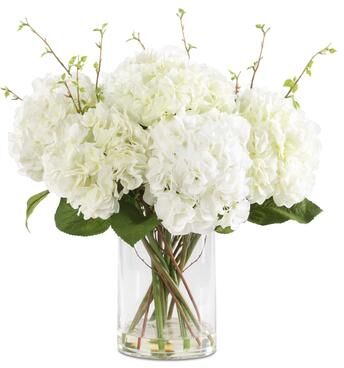
Uttermost Anastasia Hydrangea CenterpieceElegance And Simplicity Is Displayed In The Anastasia Hydrangea Centerpiece. Lush Blooms Of Cream Hydrangeas With Natural Foliage Accents Are Effortlessly Placed Into A Glass Vase, Complete With Faux Water.746,40 $*Shipping: 0,00 $Secure redirect to the provider
-
"Is my hydrangea dead?"
To determine if your hydrangea is dead, look for signs of life such as new growth or green stems. Check the stems for flexibility and the buds for any signs of swelling. If the stems are brittle and the buds are dry and shriveled, it may indicate that the hydrangea is dead. You can also gently scratch the bark to see if there is any green tissue underneath, which would indicate that the plant is still alive. If you are unsure, you can also consult with a local gardening expert for advice. **
-
Was the hydrangea mowed down?
Yes, the hydrangea was mowed down. **
-
"Is the hydrangea still salvageable?"
Yes, the hydrangea is still salvageable. With proper care and attention, such as regular watering, pruning, and fertilizing, the hydrangea can recover and thrive. It may take some time and effort, but with the right care, the hydrangea can be saved. **
-
What is the hydrangea disease?
Hydrangea disease refers to a variety of fungal and bacterial infections that can affect hydrangea plants. These diseases can cause symptoms such as leaf spots, wilting, and discoloration of the flowers. Common hydrangea diseases include powdery mildew, leaf spot, and bacterial wilt. Proper care and maintenance, such as providing good air circulation and avoiding overhead watering, can help prevent and manage hydrangea diseases. **
Similar search terms for Hydrangea
-
Faux Hydrangea Wreath - Ballard DesignsHydrangeas are a traditional symbol of abundance, beloved for their pom poms of plush colorful petals. Our Faux Hydrangea Wreath captures that plentiful spirit in a profusion of hand crafted petals shaded in soft tones of spring green, blush, lilac...263,20 $*Shipping: 179,00 $Secure redirect to the provider
-
What happened to the hydrangea?
The hydrangea plant was accidentally overwatered, causing its roots to become waterlogged. This led to root rot, a condition where the roots of the plant start to decay due to lack of oxygen. As a result, the plant's leaves turned yellow and wilted, and eventually, the entire plant died. It is important to ensure proper watering practices to prevent root rot and maintain the health of hydrangea plants. **
-
Does hydrangea have lime deposits?
Yes, hydrangeas can develop lime deposits on their leaves, especially if they are grown in soil with a high pH level. Lime deposits can appear as white or gray spots on the leaves, which can affect the plant's overall health and appearance. To prevent lime deposits, it is important to monitor the pH level of the soil and adjust it as needed to create a more suitable growing environment for hydrangeas. **
-
What is toxic about a hydrangea?
Certain species of hydrangea contain cyanogenic glycosides, which are toxic compounds that can cause vomiting, diarrhea, and stomach pain if ingested. The leaves and flowers of the hydrangea plant are the most toxic parts, while the roots and stems are less harmful. It is important to keep hydrangea plants away from children and pets to prevent accidental ingestion. **
-
Has the white hydrangea turned green?
No, the white hydrangea has not turned green. Hydrangea flowers can change color based on the pH level of the soil they are planted in, but the color change typically involves shades of pink or blue. If a white hydrangea has turned green, it may be a sign of a nutrient deficiency or a reaction to environmental stress. It is important to monitor the plant's health and address any issues that may be causing the color change. **
* All prices are inclusive of VAT and, if applicable, plus shipping costs. The offer information is based on the details provided by the respective shop and is updated through automated processes. Real-time updates do not occur, so deviations can occur in individual cases. ** Note: Parts of this content were created by AI.