Buy farmaciadelcarmine.pisa.it ?
We are moving the project
farmaciadelcarmine.pisa.it .
Are you interested in purchasing the domain
farmaciadelcarmine.pisa.it ?
domain@kv-gmbh.de · 0541-91531010
Buy farmaciadelcarmine.pisa.it ?
How do I calculate refraction or the angle of refraction?
To calculate refraction or the angle of refraction, you can use Snell's Law, which relates the angles of incidence and refraction to the refractive indices of the two mediums involved. The formula is n1*sin(theta1) = n2*sin(theta2), where n1 and n2 are the refractive indices of the two mediums, and theta1 and theta2 are the angles of incidence and refraction, respectively. By rearranging this formula, you can solve for the angle of refraction when given the angle of incidence and refractive indices of the mediums. **
What is the angle of refraction in the refraction of light?
The angle of refraction in the refraction of light is the angle between the refracted ray and the normal to the surface at the point of incidence. It is determined by Snell's Law, which states that the ratio of the sine of the angle of incidence to the sine of the angle of refraction is equal to the ratio of the velocities of light in the two media. The angle of refraction can be calculated using the formula: n1*sin(θ1) = n2*sin(θ2), where n1 and n2 are the refractive indices of the two media, and θ1 and θ2 are the angles of incidence and refraction, respectively. **
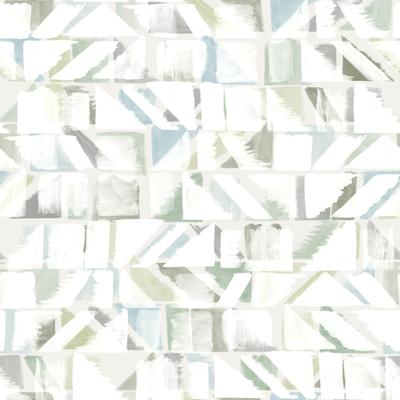

Similar search terms for York-Wallcoverings-Blue-Refraction
Top-Angebote
Products related to York-Wallcoverings-Blue-Refraction:
-
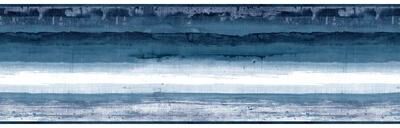
York Wallcoverings Mesa Blue BorderThis Mesa Border measures approximately 9 inches wide by 15 feet long, covering About 11.3 square feet per roll. Prepasted sure strip material; 30-in repeat, random match; Washable and strippable; 9-in by 15-ft long roll; Covers about 11.3 square feet87,49 $*Shipping: 0,00 $Secure redirect to the provider
-
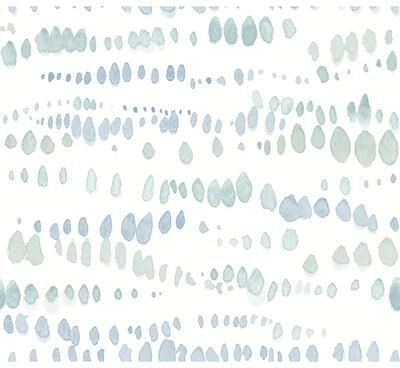
York Wallcoverings Dewdrops Blue WallpaperRows of sea green, blue, and aqua watercolors add decorative drips in artistically refined Dewdrops. This Dewdrops Wallpaper measures approximately 27 inches wide by 27 feet long, measuring approximately 60.8 square feet per roll.127,50 $*Shipping: 0,00 $Secure redirect to the provider
-
York Wallcoverings Sutton Blue WallpaperThe refined Jacobean block print of pattern Sutton is detailed in white and dark blue along a steel blue background. This Sutton Wallpaper measures approximately 27 inches wide by 27 feet long, measuring approximately 60.8 square feet per roll.136,00 $*Shipping: 0,00 $Secure redirect to the provider


-
How do I calculate the refraction or the angle of refraction?
To calculate the angle of refraction, you can use Snell's Law, which states that the ratio of the sine of the angle of incidence to the sine of the angle of refraction is equal to the ratio of the velocities of light in the two different mediums. Mathematically, this can be expressed as n1*sin(theta1) = n2*sin(theta2), where n1 and n2 are the refractive indices of the two mediums, and theta1 and theta2 are the angles of incidence and refraction, respectively. By rearranging this equation, you can solve for the angle of refraction. **
-
What is the law of refraction?
The law of refraction, also known as Snell's law, describes the relationship between the angles of incidence and refraction when a wave, such as light or sound, passes from one medium to another. It states that the ratio of the sine of the angle of incidence to the sine of the angle of refraction is equal to the ratio of the velocities of the wave in the two media. In other words, the law of refraction quantifies how much a wave bends as it passes from one medium to another, such as from air to water or from air to glass. **
-
What is refraction in a prism?
Refraction in a prism is the bending of light as it passes through the prism due to the change in speed of light in different mediums. When light enters a prism, it slows down and bends towards the normal line, then as it exits the prism, it speeds up and bends away from the normal line. This bending of light causes the different colors of the spectrum to separate and create a rainbow effect. **
-
What is the refraction of the wave?
Refraction of a wave is the change in direction and speed of the wave as it passes from one medium to another. This occurs because the wave changes speed as it enters a new medium, causing it to bend. The amount of refraction depends on the change in speed and the angle at which the wave enters the new medium. Refraction is commonly observed in phenomena such as the bending of light as it passes through water or the change in direction of ocean waves as they approach the shore. **


How does light refraction work in physics?
Light refraction occurs when light travels from one medium to another, such as from air to water or from air to glass. When light enters a new medium, its speed changes, causing it to bend. This bending of light is due to the change in the light's velocity and the change in its wavelength as it moves from one medium to another. The amount of bending depends on the difference in the optical density of the two mediums, as described by Snell's Law. This phenomenon is what causes objects to appear bent or distorted when viewed through different mediums. **
What is the lens equation for refraction?
The lens equation for refraction is given by: 1/f = (n2 - n1) * (1/R1 - 1/R2) Where: - f is the focal length of the lens - n1 and n2 are the refractive indices of the two media on either side of the lens - R1 and R2 are the radii of curvature of the two surfaces of the lens This equation relates the focal length of a lens to the refractive indices and radii of curvature, and is used to calculate the behavior of light as it passes through a lens. **
Top-Angebote
Products related to York-Wallcoverings-Blue-Refraction:
-
York Wallcoverings Blue Refraction Peel and Stick WallpaperPattern Refraction is a fractured geometric with the effect of a broken prism of reflected light. This Refraction Peel & Stick Wallpaper measures approximately 20.5 inches wide by 20 feet long, covering About 34.2 square feet per roll.47,07 $*Shipping: 0,00 $Secure redirect to the provider
-
York Wallcoverings Mesa Blue BorderThis Mesa Border measures approximately 9 inches wide by 15 feet long, covering About 11.3 square feet per roll. Prepasted sure strip material; 30-in repeat, random match; Washable and strippable; 9-in by 15-ft long roll; Covers about 11.3 square feet87,49 $*Shipping: 0,00 $Secure redirect to the provider
-
How do I calculate refraction or the angle of refraction?
To calculate refraction or the angle of refraction, you can use Snell's Law, which relates the angles of incidence and refraction to the refractive indices of the two mediums involved. The formula is n1*sin(theta1) = n2*sin(theta2), where n1 and n2 are the refractive indices of the two mediums, and theta1 and theta2 are the angles of incidence and refraction, respectively. By rearranging this formula, you can solve for the angle of refraction when given the angle of incidence and refractive indices of the mediums. **
-
What is the angle of refraction in the refraction of light?
The angle of refraction in the refraction of light is the angle between the refracted ray and the normal to the surface at the point of incidence. It is determined by Snell's Law, which states that the ratio of the sine of the angle of incidence to the sine of the angle of refraction is equal to the ratio of the velocities of light in the two media. The angle of refraction can be calculated using the formula: n1*sin(θ1) = n2*sin(θ2), where n1 and n2 are the refractive indices of the two media, and θ1 and θ2 are the angles of incidence and refraction, respectively. **
-
How do I calculate the refraction or the angle of refraction?
To calculate the angle of refraction, you can use Snell's Law, which states that the ratio of the sine of the angle of incidence to the sine of the angle of refraction is equal to the ratio of the velocities of light in the two different mediums. Mathematically, this can be expressed as n1*sin(theta1) = n2*sin(theta2), where n1 and n2 are the refractive indices of the two mediums, and theta1 and theta2 are the angles of incidence and refraction, respectively. By rearranging this equation, you can solve for the angle of refraction. **
-
What is the law of refraction?
The law of refraction, also known as Snell's law, describes the relationship between the angles of incidence and refraction when a wave, such as light or sound, passes from one medium to another. It states that the ratio of the sine of the angle of incidence to the sine of the angle of refraction is equal to the ratio of the velocities of the wave in the two media. In other words, the law of refraction quantifies how much a wave bends as it passes from one medium to another, such as from air to water or from air to glass. **
Similar search terms for York-Wallcoverings-Blue-Refraction
-
York Wallcoverings Dewdrops Blue WallpaperRows of sea green, blue, and aqua watercolors add decorative drips in artistically refined Dewdrops. This Dewdrops Wallpaper measures approximately 27 inches wide by 27 feet long, measuring approximately 60.8 square feet per roll.127,50 $*Shipping: 0,00 $Secure redirect to the provider
-
York Wallcoverings Sutton Blue WallpaperThe refined Jacobean block print of pattern Sutton is detailed in white and dark blue along a steel blue background. This Sutton Wallpaper measures approximately 27 inches wide by 27 feet long, measuring approximately 60.8 square feet per roll.136,00 $*Shipping: 0,00 $Secure redirect to the provider
-
York Wallcoverings Vinca Blue WallpaperSurface-printed leaves in silhouette create a textural canopy of densely layered vines in the pattern Vinca. This Vinca Wallpaper measures approximately 27 inches wide by 27 feet long, covering About 60.8 square feet per roll.161,50 $*Shipping: 0,00 $Secure redirect to the provider
-
York Wallcoverings Grasscloth Blue WallpaperThis Grasscloth Wallpaper measures approximately 36 inches wide by 24 feet long, covering About 72 square feet per roll. Unpasted grasscloth material; ; Dust and Vacuum and peelable; 36-in by 24-ft long roll; Covers about 72 square feet612,00 $*Shipping: 0,00 $Secure redirect to the provider
-
What is refraction in a prism?
Refraction in a prism is the bending of light as it passes through the prism due to the change in speed of light in different mediums. When light enters a prism, it slows down and bends towards the normal line, then as it exits the prism, it speeds up and bends away from the normal line. This bending of light causes the different colors of the spectrum to separate and create a rainbow effect. **
-
What is the refraction of the wave?
Refraction of a wave is the change in direction and speed of the wave as it passes from one medium to another. This occurs because the wave changes speed as it enters a new medium, causing it to bend. The amount of refraction depends on the change in speed and the angle at which the wave enters the new medium. Refraction is commonly observed in phenomena such as the bending of light as it passes through water or the change in direction of ocean waves as they approach the shore. **
-
How does light refraction work in physics?
Light refraction occurs when light travels from one medium to another, such as from air to water or from air to glass. When light enters a new medium, its speed changes, causing it to bend. This bending of light is due to the change in the light's velocity and the change in its wavelength as it moves from one medium to another. The amount of bending depends on the difference in the optical density of the two mediums, as described by Snell's Law. This phenomenon is what causes objects to appear bent or distorted when viewed through different mediums. **
-
What is the lens equation for refraction?
The lens equation for refraction is given by: 1/f = (n2 - n1) * (1/R1 - 1/R2) Where: - f is the focal length of the lens - n1 and n2 are the refractive indices of the two media on either side of the lens - R1 and R2 are the radii of curvature of the two surfaces of the lens This equation relates the focal length of a lens to the refractive indices and radii of curvature, and is used to calculate the behavior of light as it passes through a lens. **
* All prices are inclusive of VAT and, if applicable, plus shipping costs. The offer information is based on the details provided by the respective shop and is updated through automated processes. Real-time updates do not occur, so deviations can occur in individual cases. ** Note: Parts of this content were created by AI.